
Beyond Kolkata: A Soulful Winter Retreat in Shantiniketan
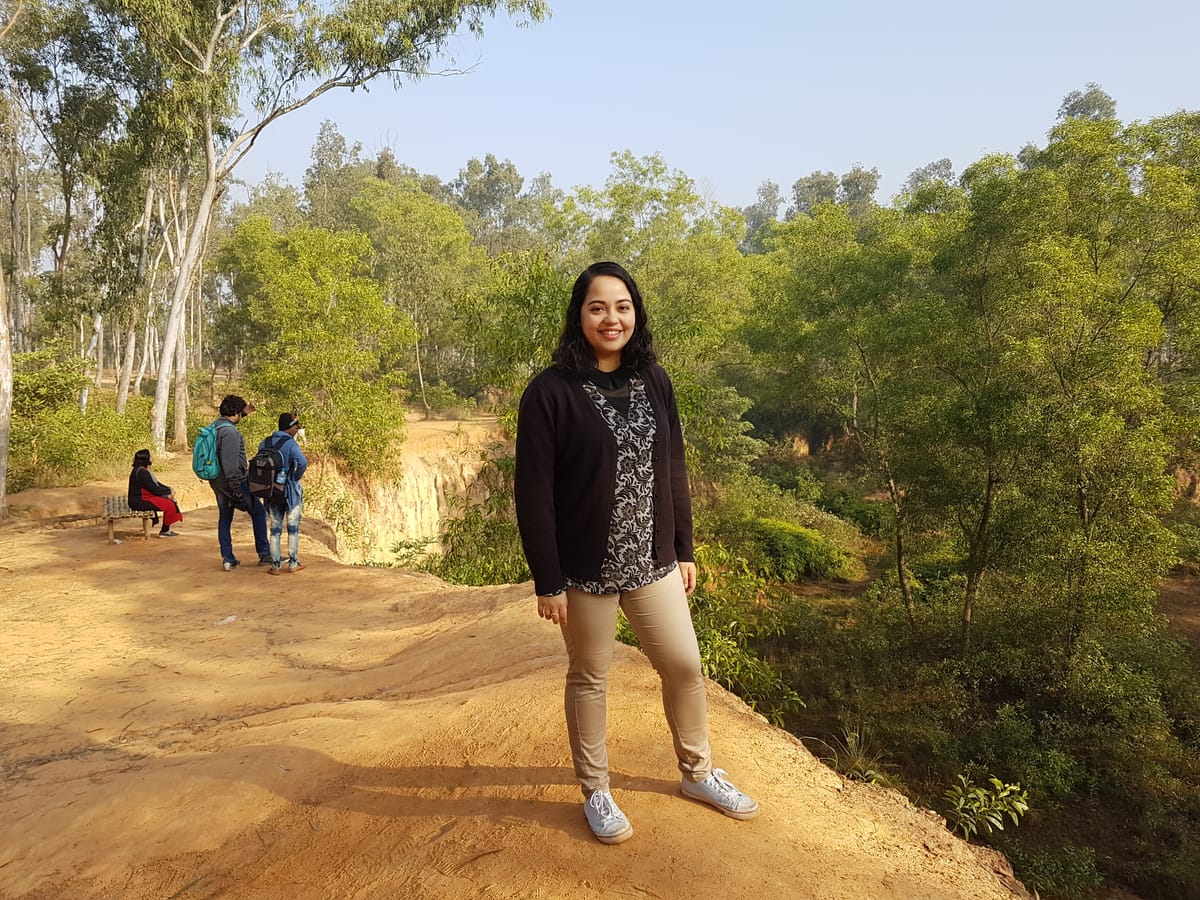
An old post from Christmas of 2017.
Just a few hours from Kolkata, the landscape begins to change — the air grows cooler, the roads narrower, and the red earth of Birbhum peeks through the dust like an artist’s unfinished canvas. This is Shantiniketan — Tagore’s land of quiet reflection, open skies, and soulful simplicity. In winter, it feels like time itself slows down here. The mornings are draped in soft mist, the afternoons glow golden under the Bengal sun, and the evenings hum gently with Baul songs drifting through the air. It’s not just a getaway; it’s a pause — a return to stillness, creativity, and connection.
Once upon a time, in a village just outside of West Bengal, there was a school called Shantiniketan.
Being from an Indian family, if there’s a reason to celebrate, we celebrate — wholeheartedly! So, by default, we celebrate Christmas too, though not quite the way Christians do. Our usual Christmas involves wearing our comfiest sweaters, my mum cooking her famous lamb leg roast (it’s pretty awesome, I must say), and heading to a friend’s house to binge-watch one horror movie followed by as many Christmas movies as we can manage! We spend the entire day there — from morning till night — before heading off on our Christmas holiday destination on Boxing Day.
Although this has been one of my favorite traditions, this year we decided to do something completely different.
We flew off to our hometown, Kolkata, well in advance, and on Christmas Day we took a short trip to a tiny village just north of the city called Shantiniketan — along with my grandma, three of my mum’s aunts, one of our cousins, and of course, my parents. Shantiniketan gained its fame from one of India’s Nobel Laureates, Rabindranath Tagore.
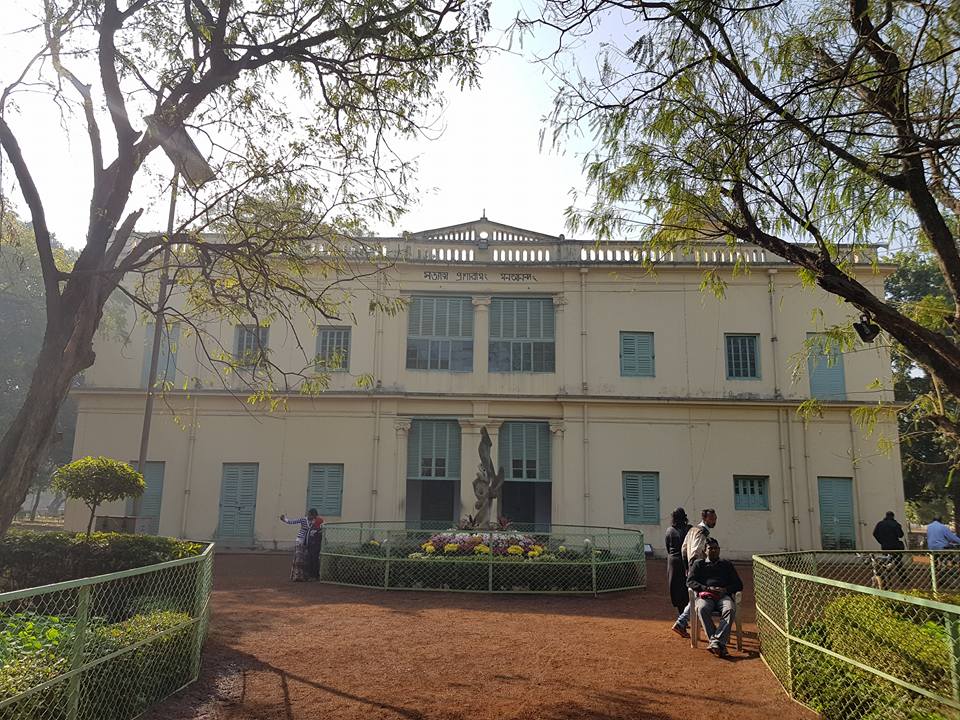
Tagore disliked the conventional schooling system of his time — where children sat indoors, confined by four walls, memorizing lessons from teachers. Instead, he envisioned a school without boundaries — a place where learning happened under the open sky. On land once purchased by his father, Maharshi Debendranath Tagore, he founded Visva-Bharati, a university rooted in creativity, nature, and freedom.
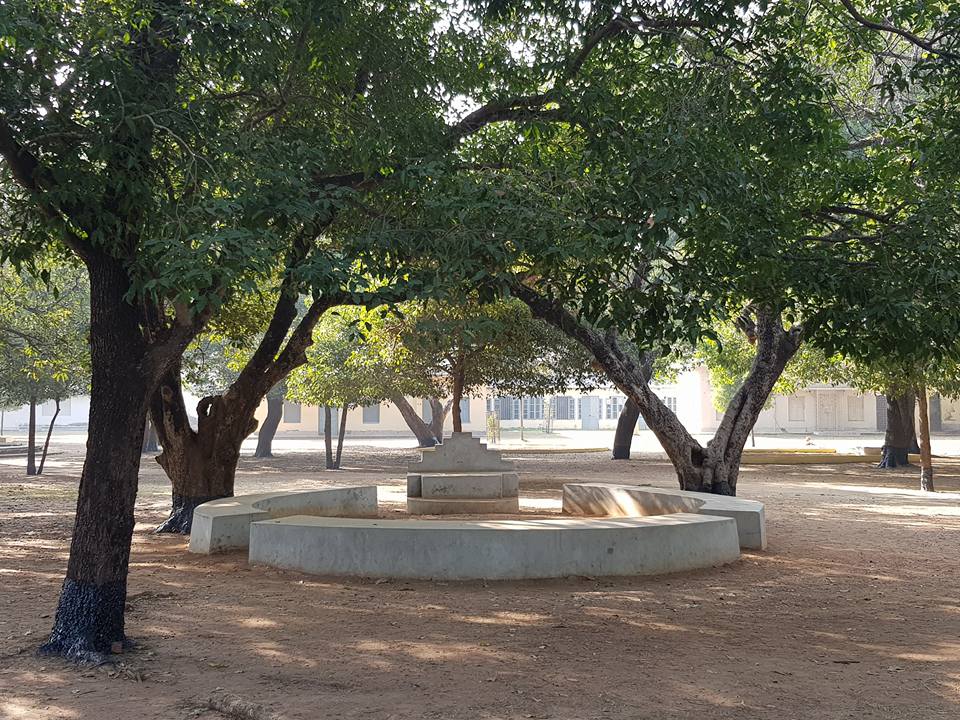
The “classrooms” were built under trees. The teacher would sit on a raised platform, almost like a throne, and students would find a spot anywhere nearby where they could hear and engage. When one class ended, they simply moved to another tree for the next!
Of course, a setup like that is only possible in a place like India — can you imagine a school like this in the UK, where it rains almost every day? The poor teacher and students would be drenched! There really are perks to having a tropical climate.
What struck me most about Shantiniketan was how calm and grounded I felt there. It wasn’t surprising that the students who studied here grew into not just literate individuals, but deeply thoughtful and creative people. Even today, the school continues to function with the same philosophy — and why change something so beautiful?
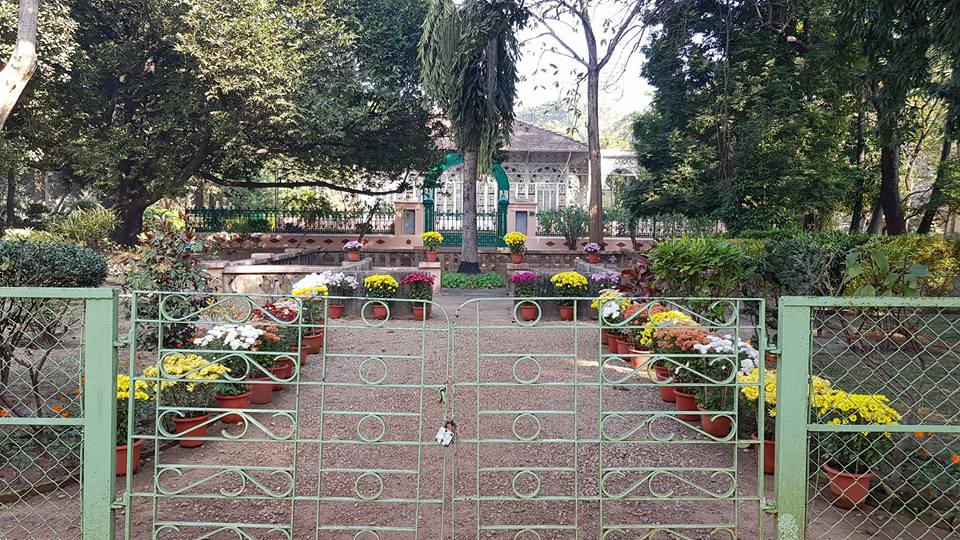
We were fortunate to have a guide who was an ex-student of Shantiniketan. He shared stories of Tagore’s time, the early days of the school, and its evolution — each tale told with warmth and wonder. He was, without exaggeration, the best tour guide we could have hoped for. At the end of the tour, he handed us a few books and said, “Read. Even if it’s only one sentence a day. But don’t let them gather dust.” It was such a simple but powerful message — and one I definitely plan to live by.
To all my friends and readers: the next time you visit West Bengal, I highly recommend adding Shantiniketan to your list. There’s something magical about this place — something that can’t quite be explained but can certainly be felt.
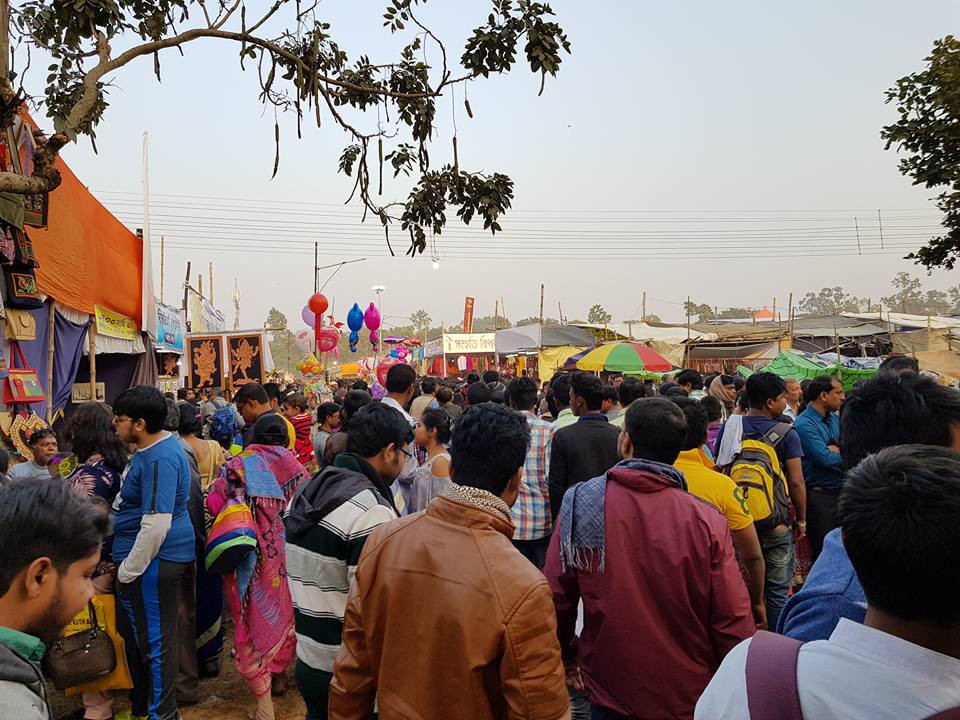
If you happen to visit in winter, you’ll be lucky enough to experience the Poush Mela, a traditional fair that celebrates Bengali art, culture, and craftsmanship. The handicrafts are beautiful, the energy is vibrant, and it’s one of the best ways to immerse yourself in Bengal’s cultural heartbeat.
A small word of caution, though — the fair gets very crowded, so keep an eye on your valuables. Not everyone there shares the same festive spirit!
As we drove away from Shantiniketan, the sun dipped low, painting the red soil in gold and amber. It struck me that this little village isn’t just a place — it’s a feeling. A reminder that learning doesn’t always happen within walls, that beauty often hides in simplicity, and that slowing down can sometimes bring us closer to ourselves. In the quiet rhythm of Shantiniketan’s winter, I found something I didn’t know I was missing — peace.